In The Spotlight!: Music in Movies

Lately I have had movie music on the brain, playing the Theme from Jaws at random times, listening to movie soundtracks, and occasionally bursting out into song from my favorite motion pictures. We tend to hear these epic soundtracks to our Hollywood made stories everywhere and everyone  young and small knows what they are and where they come from. My thought is how would we teach this to our younger students? This teaching process has already been mastered by the music tech greats at the higher level, how would we simplify those activities so elementary students could enjoy learning the sounds from movies they hear so often.

Three things movie music can teach:

  • How music in a certain moment can affect ones mood or emotions
  • Story telling through sound
  • Relation between music and movement

Now what sort of activities could you bring to the classroom to teach them?

Playing Movie Music – With Joytune’s new movie music pack myself and my students can enjoy the music of John Williams all the time. It might sound too hard for younger students but when you simplify it down to just the main theme, younger students can enjoy playing movie music on classroom instruments.

Storybook Soundtracks- Movies are just live stories, take a storybook and turn it into a movie. Have your students read it, draw the pictures, do the foley art and create the background track.

iMovie Trailers- Each genre of movie has it’s own distinct sound. Have your students easily create iMovie trailers using the iMovie app on the iPads to go along with the music. Once they are done, have a movie class and bring the popcorn!

Foley Artists– The art of foley, teaching the students the true art of sound performance before all these big fancy sound machines came. It is a great lesson for sounds of found objects.

Make your own music- Cut out the sound and have the kids put the voices and music in themselves using garageband or audacity.


What sort of ways would you teach younger students how music from movies works?

IMG_0043

Drumming for Positive Smiles: A Last Week Lesson That Will Last

I truly have tried to turn a hugely devastating memory into positive energy this past week. I’m just one of those people that won’t take failure at an option and the easy roads in my life always seem to be closed so like most, I always am faced with driving through the challenging paths. When I need to just feel right again I usually turn to drumming, so that is what I focused on this week for lessons with my students to let them leave my classroom with smiles, and a lasting memory of leaving my classroom feeling good and loving music.

We used rhythm sticks for most of these activities and did our drumming on the carpet (I’ve got some strong 5th graders who could break my sticks in a second if played on a harder surface!)

We started with a few games and activities from drum circle guru Kalani .

I used the following games out of his book Drum Fun:

  • “Where’s Froggy?” – A cute hot and cold game that my students were absolutely gaga for.
  • Drum Call- Gets the students warmed up to play and listening to the numbers you call out. Is also a great way to throw leadership to a student who normally will not speak up.
  • Rumble Ball- I get to play with a playground ball and have my students experimenting with sound, I dare you to find a single thing wrong with this.

These games had the students in stitches from laughter, especially when my frog from Where’s Froggy was hidden in some hilarious spots!

IMG_0343

After the games we decided to spend the last 15 minutes or so drumming, just drumming that simple. I went over a simple rock beat with them and chose two songs from my KidzBop playlist for students to use that rock beat to play and sing. It truly was a surreal moment being able to sit, listen and watch this go on as I played right along with them. Most classes got into it, singing, grooving in their seats, and drumming on the carpet so hard their hands hurt after it was all over but begged for more. Its that feeling right there that you want walking away from a class like this, being able to just get lost in the music around you and letting out all of that anger or bent up energy screaming to get out, eventually taking with you the emotions of peace and comfort.

The last song that pretty much ended my time with a class was the KidzBop version of “Some Nights”. Most know of the killer drum beat in the song that you would normally think elementary school students would not be able to do but I found by simplifying the beat into “Te Te Ta TicaTicaTica Ta” or for some classes I went down even further to “Te Te Ta TicaTica Ta” and turning it into an ostinato that went to a steady drum beat when the drums were absent from the song. It was a fantastic ending to class and left them smiling and singing at the top of their lungs. The link below is to a few recordings from a few of my classes performing this:


Venturing out for a Safari

This has been one of the roughest weeks of my life. It got to the point where I truely felt numb from the reality around me because I just could not handle it at the moment. Thanks to good friends and supportive members of my PLN who have given me some confidence in myself again,  I am spending the weekend rebuilding my psyche and preparing for my last week of the year at my current school. It is time to truly in a matter of speaking go “balls to the wall”. I’m going to the leave this school for the year with truly no regrets. I plan on spending a lot of time outside, I plan on making lots of noise, and I plan on just making sure to leave these kids with a lasting love of music. 

I’m sort of using this post as an excuse to lesson plan this activity out, so bear with me if any mistakes come up.

 Materials:

  • Plastic empty easter eggs
  • Decorations for the eggs
  • Markers
  • Basket for found eggs
  • Clues
  • Signs
  • Map of instrument families

Procedure:

  •       Our precursor to this is that we have been working on the Young Person’s Guide to the Orchestra listening adventure from Carnegie Hall http://listeningadventures.carnegiehall.org/ypgto/index.aspx .
  • Before your class comes, find 4 secure places outdoors on the playground or inside that have good hiding spots for your eggs and hang up a sign labeling each of the 4 areas: Woodwind Pond, Brasslands, Percussion Paradise, and String Savannah.
  • Decorate your eggs to look like the little monsters from the adventure (I’m using markers, paste on eyes, and feathers) and label it with a name of the instruments on your hunt. Place a clue to the next instrument inside the egg and a little “You found me!” slip with the picture of the instrument. My clues are:

Flute-

   I like to hang around with a lot of my friends near the pond, I have no reed but I’m still where I belong. Musicians play me while standing straight and tall, I sound the second highest of them all.

Oboe-

     I’m black and look a lot like a clarinet but I’ve got a reed a lot like the bagpipes that helps me play when wet. 

Clarinet-

       I can play waaayyy down low to waaayy up high. My flat reed helps me make all of my friends at the pond jealous with the range of notes I can blow.

Trumpet-

         A musician buzzes into me to make sound. I’m the highest gold looking instrument to be found.

Trombone-

         There was a song made that sang about 76 of me. My slide  that goes up and down makes my notes stay  on the beat.

Tuba-

         I’m the lowest instrument in the Brasslands that can be found. I can be found a lot in a band that marches around.

Cello-

          I’m one of three instruments in my family that have to sit on the ground. Using a bow or fingers, a musician can make my sound.

Violin-

           A musician plays me by putting part of me under their chin. Playing me with a bow or fingers, everyone wins!

Harp-

             I am the old lady of my family standing as tall as a room. My beautiful melodies made with my many strings can make anyone swoon.

Snare Drum-

               Rat-atat-tat goes my sound when a musician taps me with sticks. I’m a snare with great tricks.

Timpani-

           Rolling on me can sometimes sound like thunder. There are usually 2 or 3 different sounding versions of me in an orchestra. 

Xylophone-

             I have bars on my body and can be played with many mallets at once. My name begins with a letter of the alphabet absent from many words.

  •  After all of the eggs are ready, go hide those eggs around each of the 4 sections. Make sure they stay in the proper section though, trumpet in the Brasslands, Oboe at Woodwind Pond, etc.
  •  Once students come in and get settled,ready to go on to the next section of our adventure. I will calmly break it to them that the adventure is BROKEN! (oh noes!) but Uncle Ollie left us a note

   Oh my Safariers! I thank you for all of your help from afar. Our communication line is broken! I am still in need of your help to round up my instruments! Are you ready for some fieldwork?

~Uncle Ollie

  •  Have a map of the 4 areas for students to look at to know where to go and have their first clue ready that will lead to the first instrument in egg form. Let the kids lead as much as possible.
  • After the hunt is complete, I’m going to have an orchestra seating map I have traced from the adventure ready for them to color.

carnegie_young_persons_guide

What activities do you do outside for music class?
The Save Button: Turning a Small Activity into an Epic Masterpiece

screenshot_104

      Often to satisfy Bloom’s taxonomy during the teaching of a concept we tend to go through many activities to satisfy every type of learner in our classroom. Something I have seen myself doing on more than one occasion is having my classes do a small activity that really leads to no where other than showing me they know how to make a melody or the difference between a rest or quarter note. I have a really big belief that in order for my students to best understand music is to make their own so we tend to do a lot of small composing activities. 

      I changed all those activities up for my 5th graders this quarter. It was around digital portfolio time a few weeks ago and I had nada. So instead of doing a repeat of projects in the past or an activity that did not lead to much more than a reinforcement concept. I went with a new idea of Step by Step songs.

screenshot_106

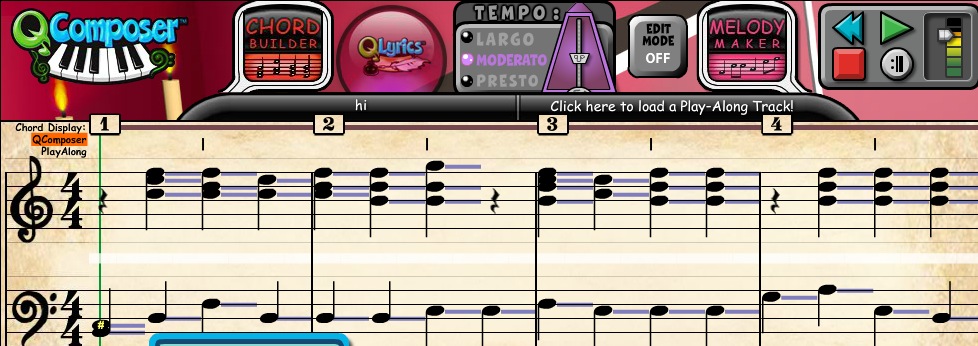
          You could do this with whatever notation software you have. I decided on QComposer in Quaver music because it was easiest for me. Our build up from beginning to end was:

  • We started with a simple melody line on the treble clef. They were given specific expectations to do this.
  • The first step included only quarter notes and rests, I then had them substitute some of those notes for eighth notes.
  • We learned about the bass line next! We added in the same note that was on the treble line to the bass clef line.
  • Chords were our last step. Since we still were shaky on the bass line, the 5th graders put their chords on the treble.

Each step was done one class period at a time and students saved their work after each step. 

I told them we were adding layers and like Rome, good music wasn’t built in a day.

After they are done each student is submitting their work to me in the Quaver teacher admin panel. I’m getting some great work and next week we get to finish with reflections for their portfolios. The best part about this whole thing is that they understand composition on a deeper level now and I get to thank the save button for it!

screenshot_107

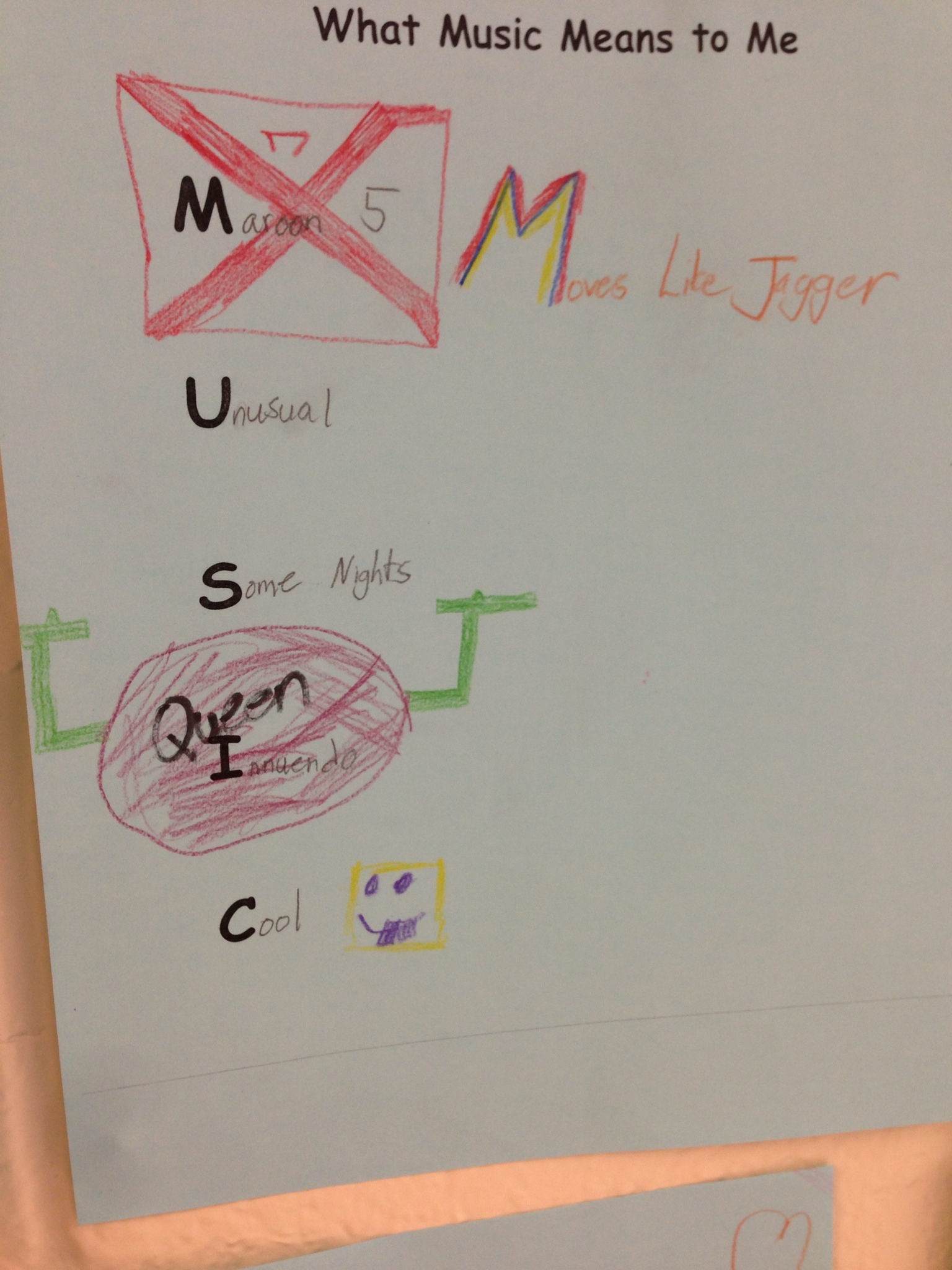
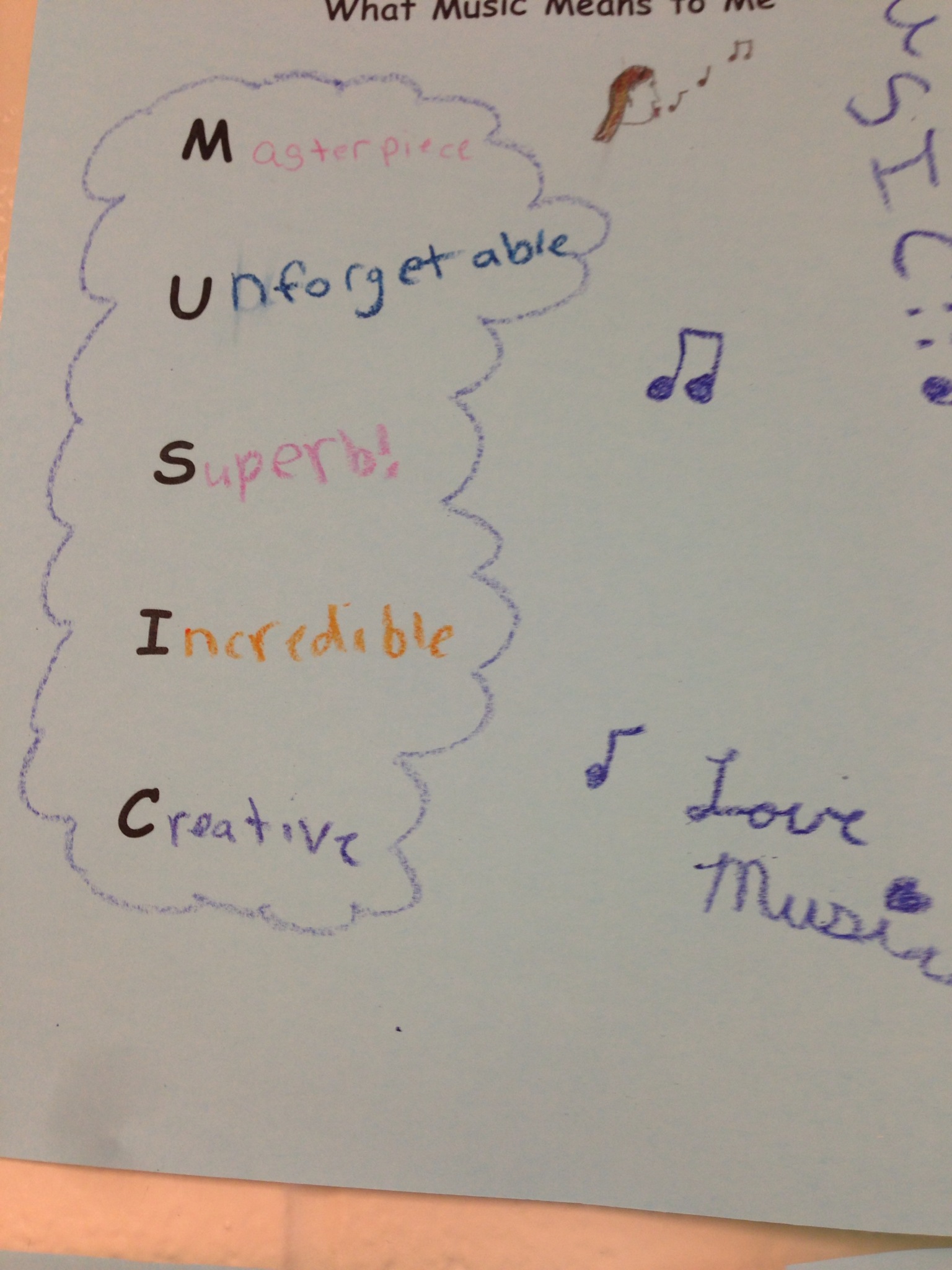
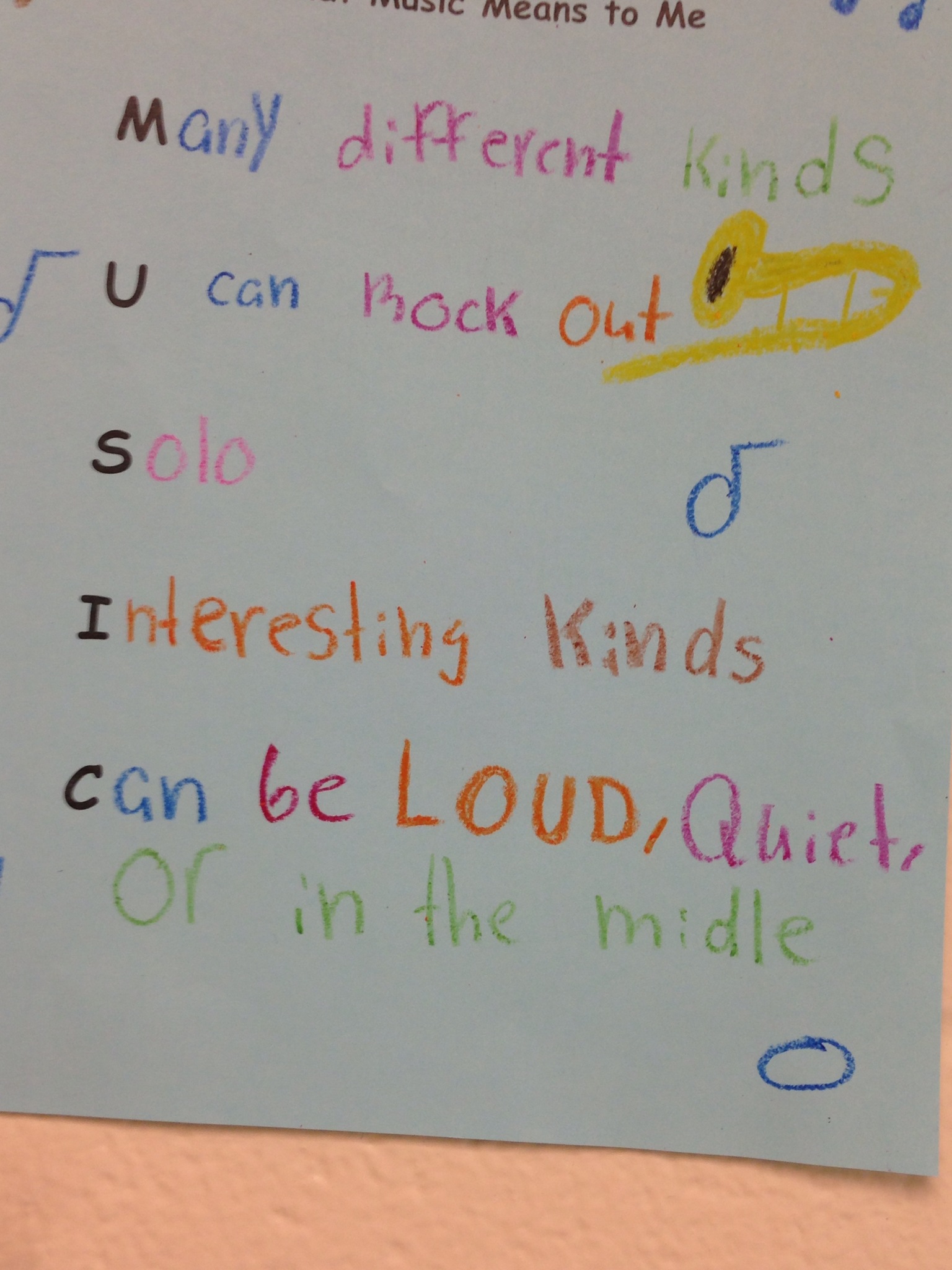
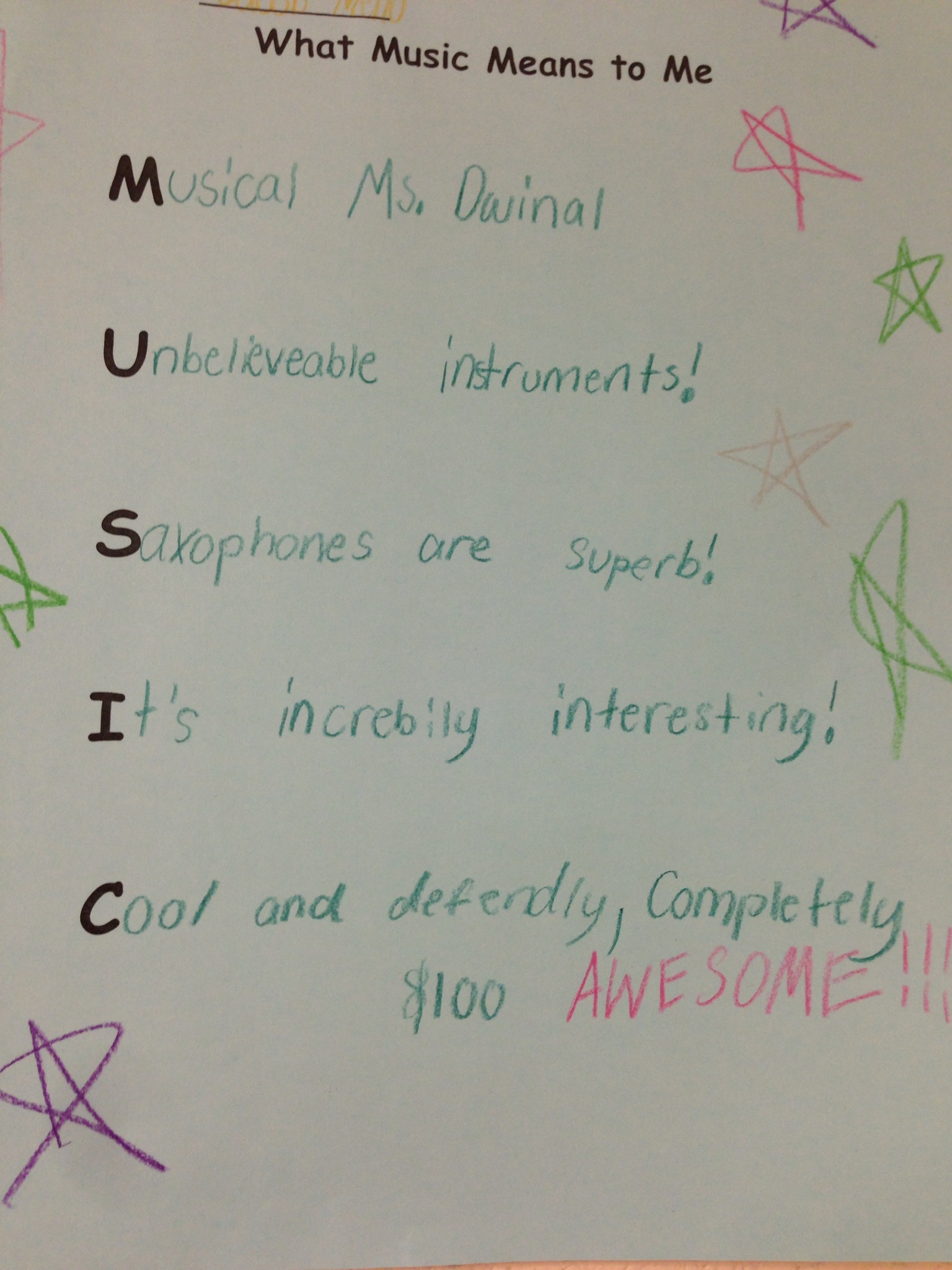
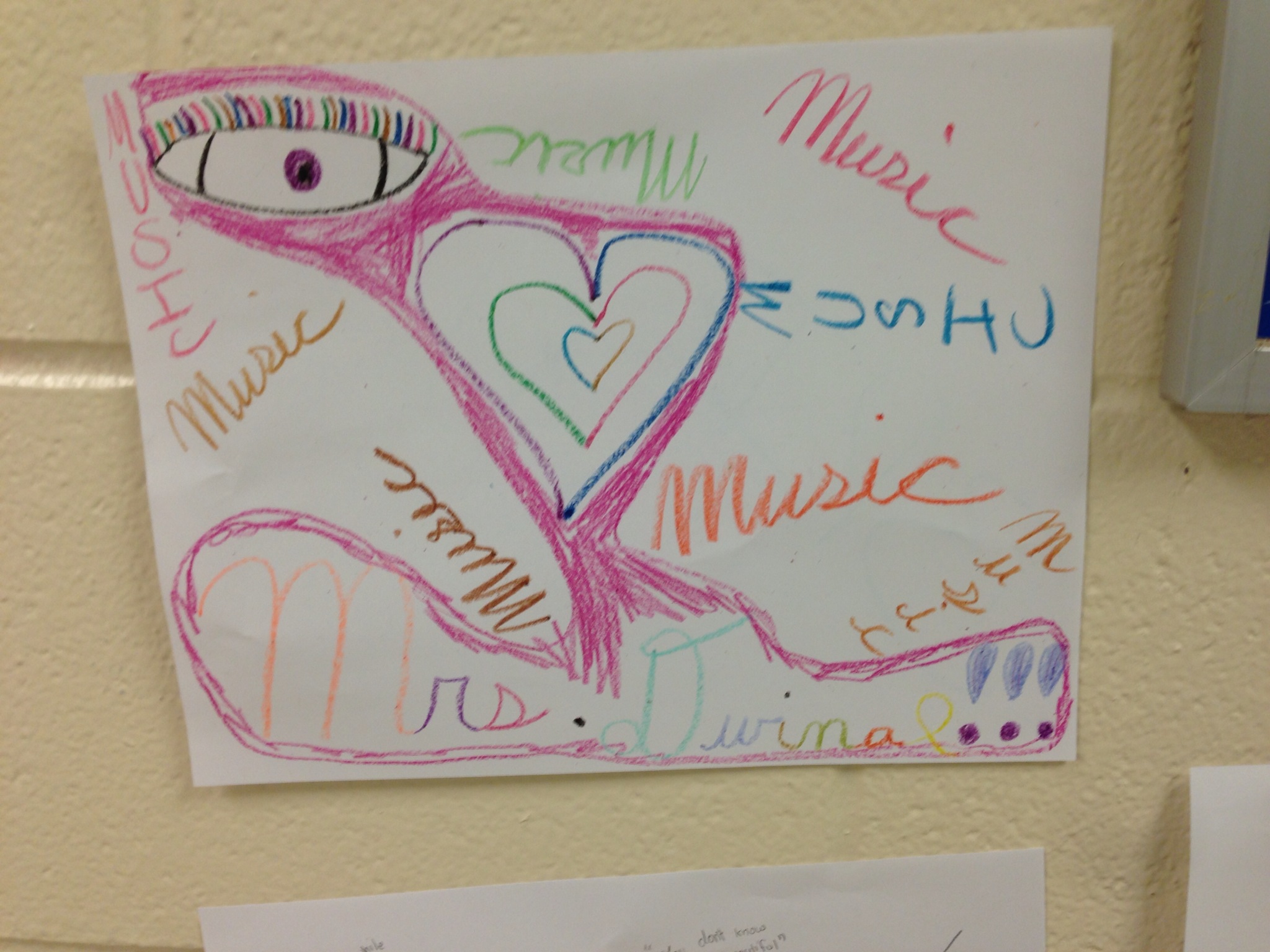
Wanna See My Wall?: Pictures of My Student Made MIOSM Statement

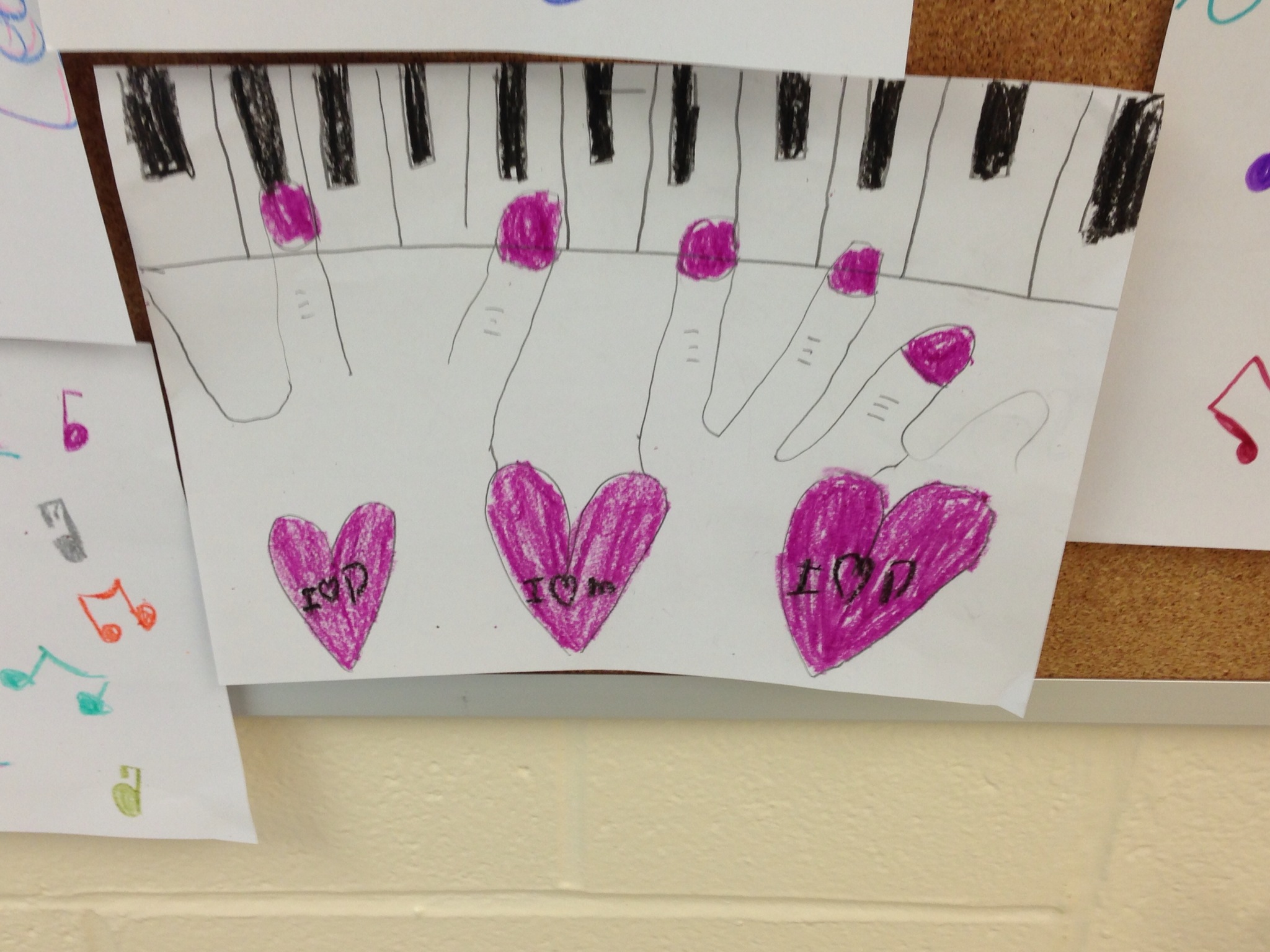
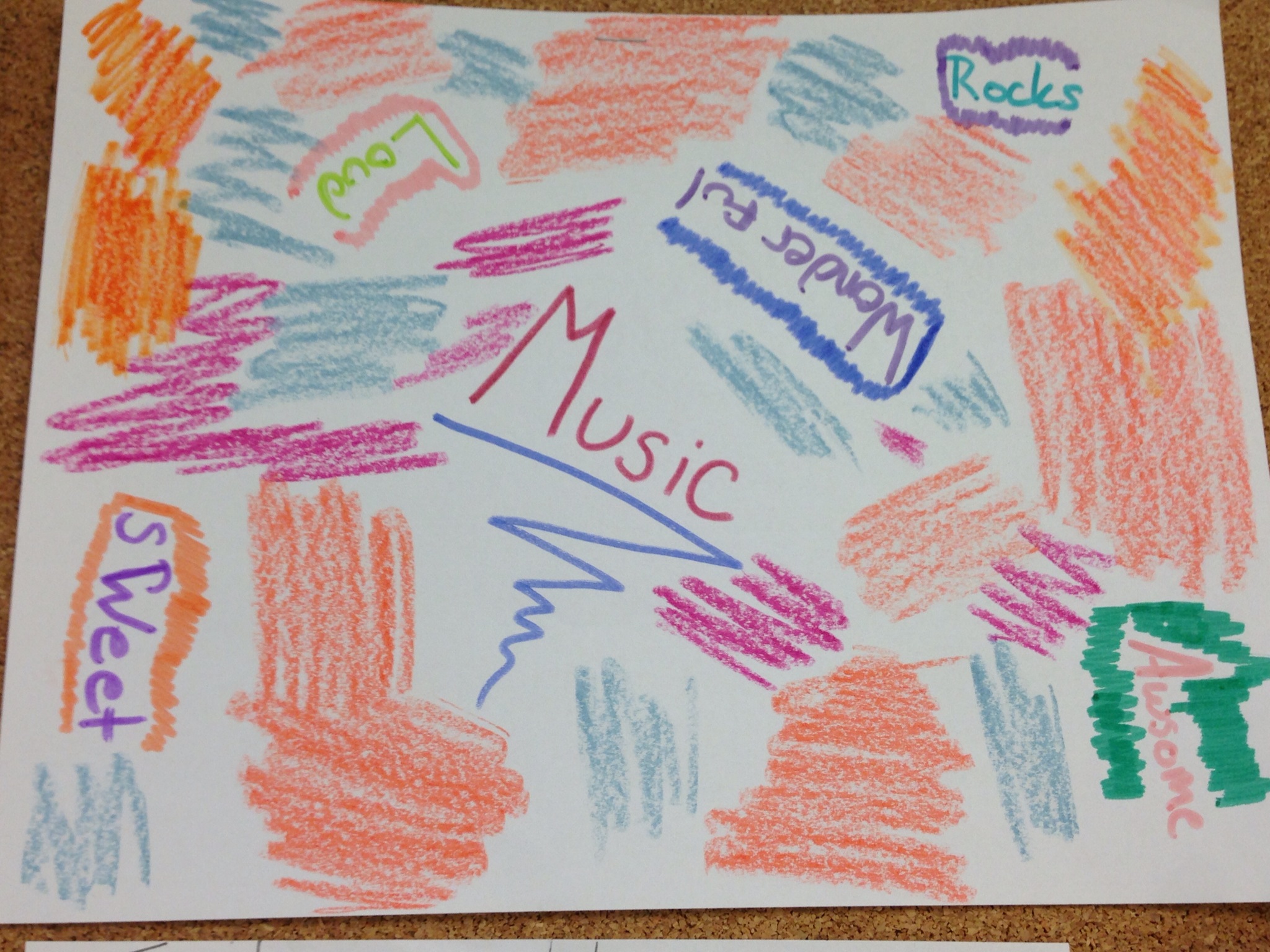
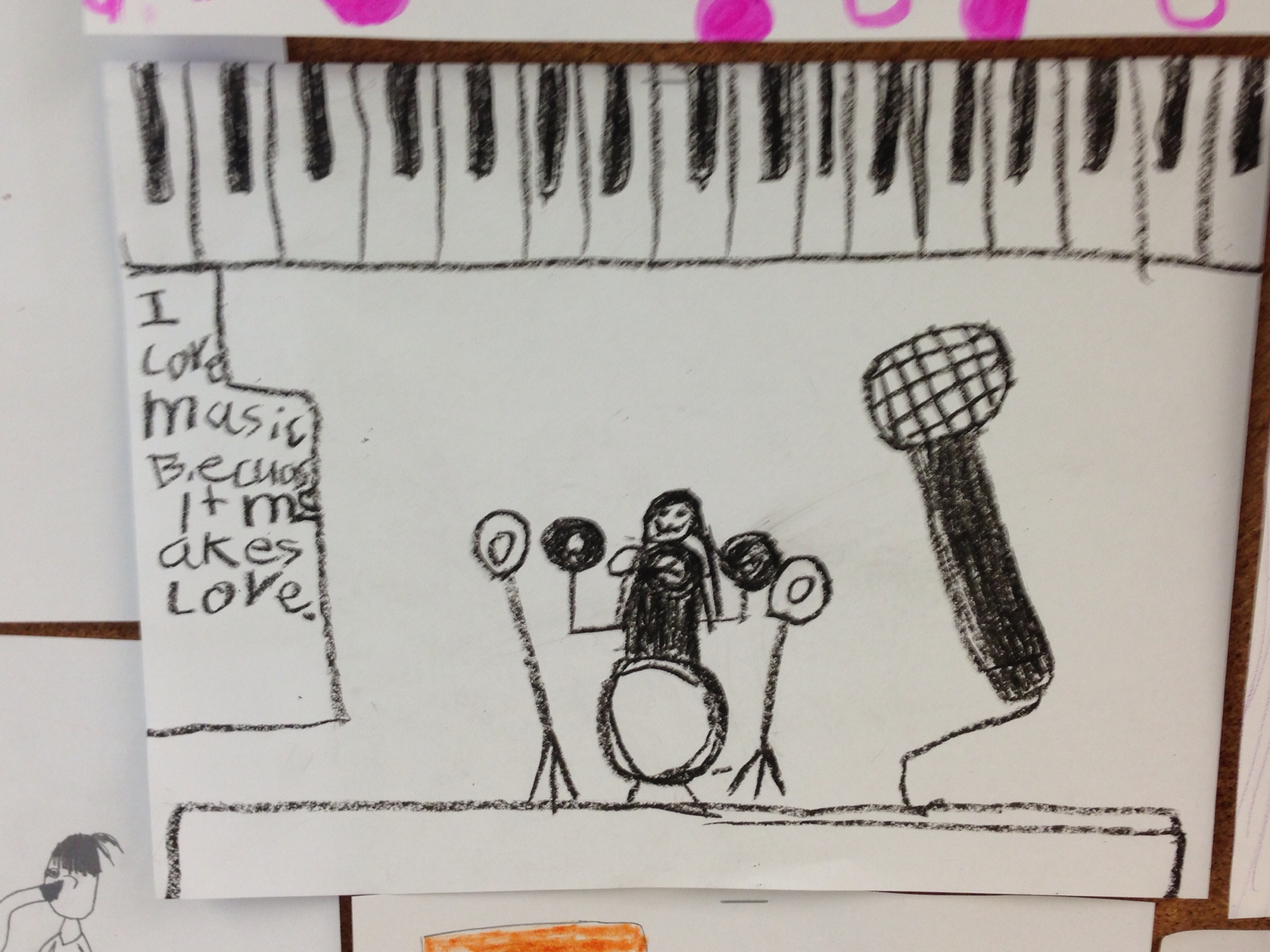
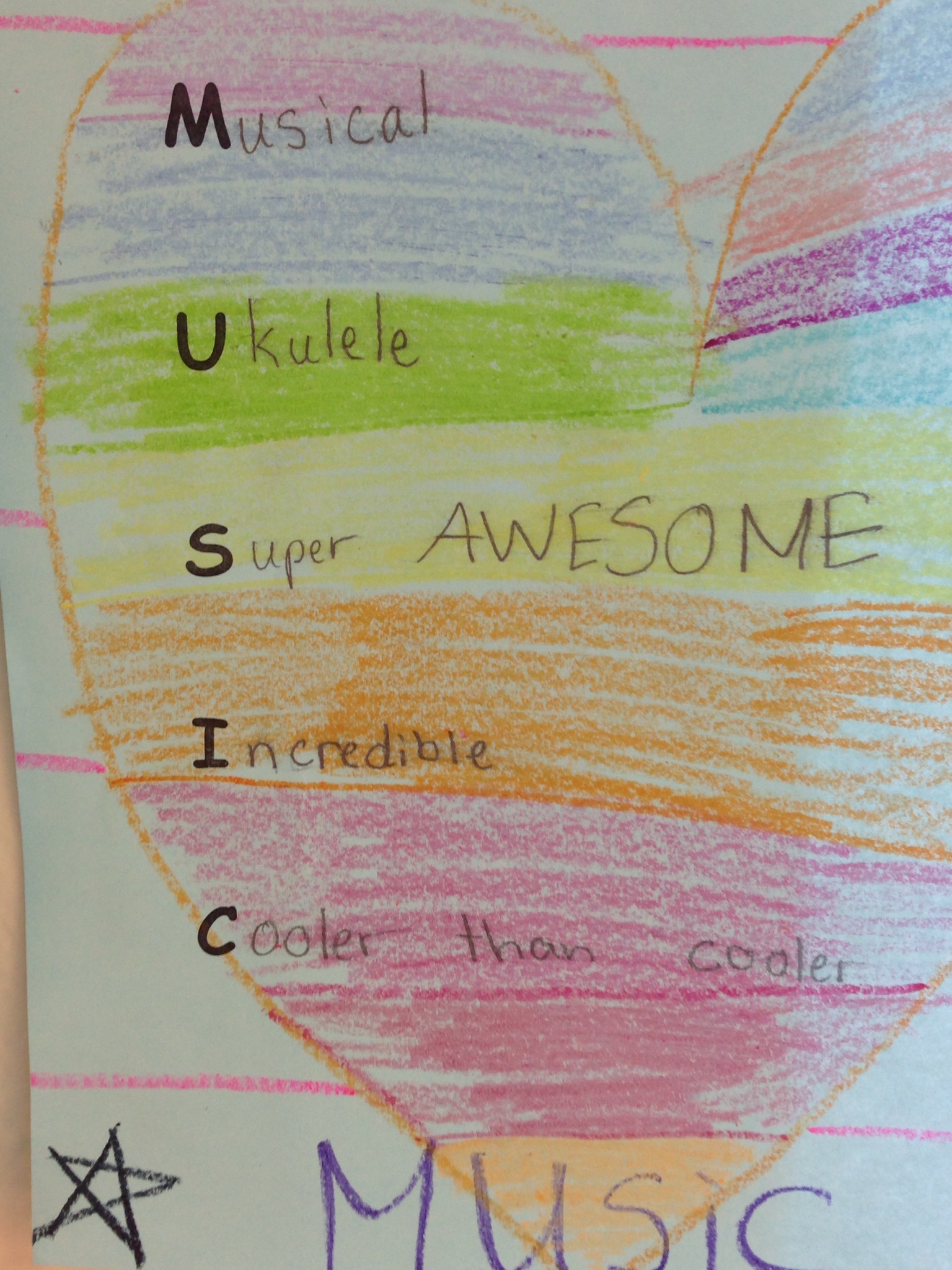
In my previous post (Center ideas for MIOSM) I talked about the posters and poems my students were going to be completeing this week. I am here to report, we did it, and with great joy I can proudly say it has become a true statement in the school. Hundreds of poems and posters promoting why music is important to my students. It is a sight for music advocates eyes. I’m very proud of it and the notice it has gotten from other teachers. I plan to keep it up for another 3 weeks until I switch schools one last time for the year. Next week I will be adding the last unexpected part to it, my Kindergartners and 1st graders actually WHINED because they wanted to do this as well so I will be doing a shared writing with each of those classes and adding on!

Instead of just bragging about my wall I decided it would be best to just show you, a picture is worth a thousands words, right?

A link to a video tour of the papers covering my hallway walls:

My Walls

From the mouths of my students, why music is important to them:


IMG_0093 IMG_0094 IMG_0095 IMG_0096
IMG_0098 IMG_0099 IMG_0100 IMG_0101 IMG_0102 IMG_0572 IMG_0104 IMG_0105 IMG_0106 IMG_0107 IMG_0108 IMG_0109 IMG_0110 IMG_0111 IMG_0112 IMG_0113 IMG_0114IMG_0549 IMG_0115 IMG_0097

IMG_0116 IMG_0117
IMG_0119 IMG_0120 IMG_0121 IMG_0122 IMG_0123

Have you ever asked why music is important to your students?

Center Ideas for MIOSM

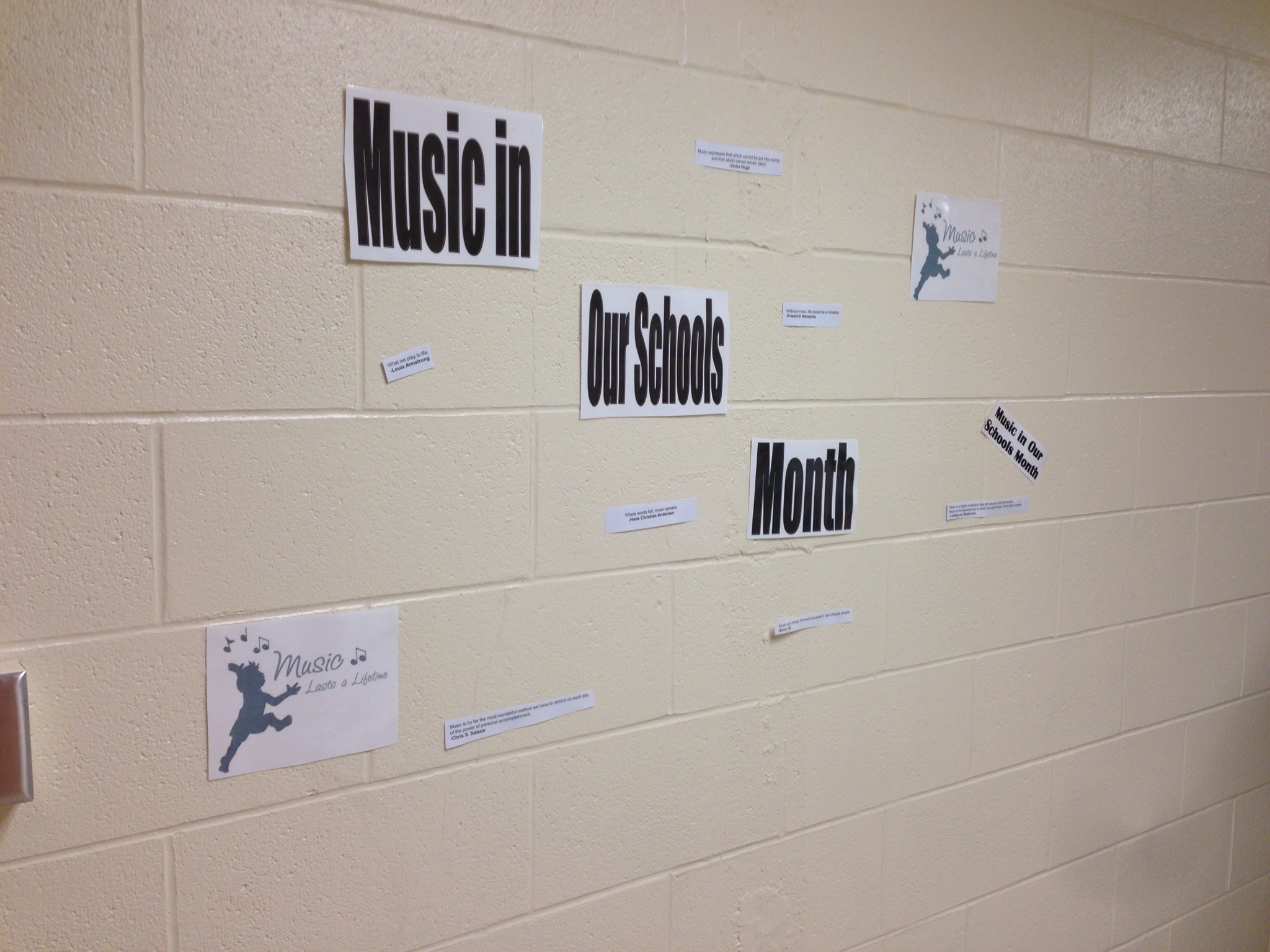
This week as I jumped into hyper speed mode trying to get adjusted and back into the swing of things. I felt so lucky looking at my plans and quarter outline for next week and seeing the words CENTERS in big beautiful letters. Being it Music in Our Schools Month I decided to throw a little something extra into this round. After reading a few blog ideas, spending some time on Pinterest, and checking out the NAfME www.nafme.orgwebsite I got some ideas. One is a writing activity and one is a drawing activity that I will be putting up finished products on my hallway wall in order to create a really cool ‘why we love music’ wall that all passerby’s can take a gander at as they walk up and down our hallways.

The beginnings of our wall. I added a title and some inspirational quotes.

The beginnings of our wall. I added a title and some inspirational quotes.

Music Poster:

Materials-

  • Coloring Materials
  • Index card with directions
  • Blank paper

Directions-

I want you to draw me a poster describing why you love music to a person who has never seen music class before. Tell them why it is important to you and what you particularly enjoy about class. Remember to draw a picture along with your writing.


What Music Means to Me:

Materials-

  • Coloring materials
  • What Music Means to Me sheet- Worksheet
  • Pencils

Directions-

Write me an acrostic poem using words that describe why you love music. Use your best words and remember each word must begin with one of the letters in the word Music. You can color and make it pretty after.


After-

Hang these up activities up in the hallway for all to see.


What are you doing to celebrate Music in Our Schools Month?

iPad Apps; To Use As A Whole and To Use On Your Own

It is a short post this week, I was asked to head on down to Boston this weekend to work for some pretty awesome Quaver people. It has been a great day hanging out with Rob, Bradley, and Buzz telling all of these Massachusetts teachers about the program while we all laugh and have a great time. Tomorrow I get to drink a pitcher of coffee (I’m trying to be as caffeinated as Mr. Quaver) and go present at the Quaver session! I’m extremely excited to go share what I do with the program with others!  

This week I’ve had iPad on the brain trying to figure out cooler ways to use the device in my classroom. We all go through that conundrum, a great resource lands on your desk that looks AMAZING..but..how do we use it? It seems a running theme as iPads slowly make their way into the educational world. Starting to figure out what can be used where is the new battle that is appearing. Below are two categories with 3 apps under each. 3 that are amazing to use as a whole class, and 3 that work fabulously with small group or individuals (great for centers or small group activities if you have access to multiple iPads)

For the Whole Class:

  • Dolce Music Flashcards – $2.99 https://itunes.apple.com/us/app/dolce-music-flash-cards/id289772371?mt=8  This app is great for a quick review game. I put it up on my projector and students will raise their hand to answer the question. It tracks how many you get right so the class can set goals for themselves!
  • Moozart- $1.99   https://itunes.apple.com/us/app/moozart/id405194870?mt=8 Teacher melodic contour or up and down? This app is fantastic. Using barnyard animal sounds to compose simple melodies or choosing already made melodies the younger students get a kick out of hearing different sounds and can understand the concepts that you are trying to get across!
  • Recorder Master- $1.99 https://itunes.apple.com/ca/app/joytunes-recorder-master/id492065346?mt=8 Made by Joytunes this app is constantly requested in my recorder classes for a fun activity. The students learn more about breathing and tonguing from trying to drive the plane or kill the birds than they do from me just demonstrating it!


For Small Group or Individuals:

  • Garageband- $4.99 https://itunes.apple.com/app/id408709785 This app can technically go for whole group as well, but I prefer in smaller or individual. I have done many projects with students that have produced amazing products. This program records, allows students to jam on iPad instruments, and even allows them to mix premade loops together to create fantastic music. This app gets students creating and improving.
  • Pocket Wavepad- Free https://itunes.apple.com/us/app/pocket-wavepad/id395339564?mt=8 So impressed with this app, I have begun to use it for recording everything my students do in class. It is so easy to maneuver that my students can use it themselves. I give them opportunities to be able to create music, go to a quiet place, and record. Recording is a skill I feel students need to learn.
  • Dustbuster- Free https://itunes.apple.com/gb/app/piano-dust-buster-+-valentine/id502356539?mt=8 I love using this app with my private piano students. I have seen true results from my students who have downloaded this at home on their iPads and come back to me being able to play songs from it BY EAR. My piano students use a real piano with an app, and I can use the app during center times or as part of our tech zone.


If you’re at MMEA, come see the Quaver crew and I at our session at 11:30! If you’re not, check these apps out and let me know what you think! 


IMG_0318

Composing using QCreatives

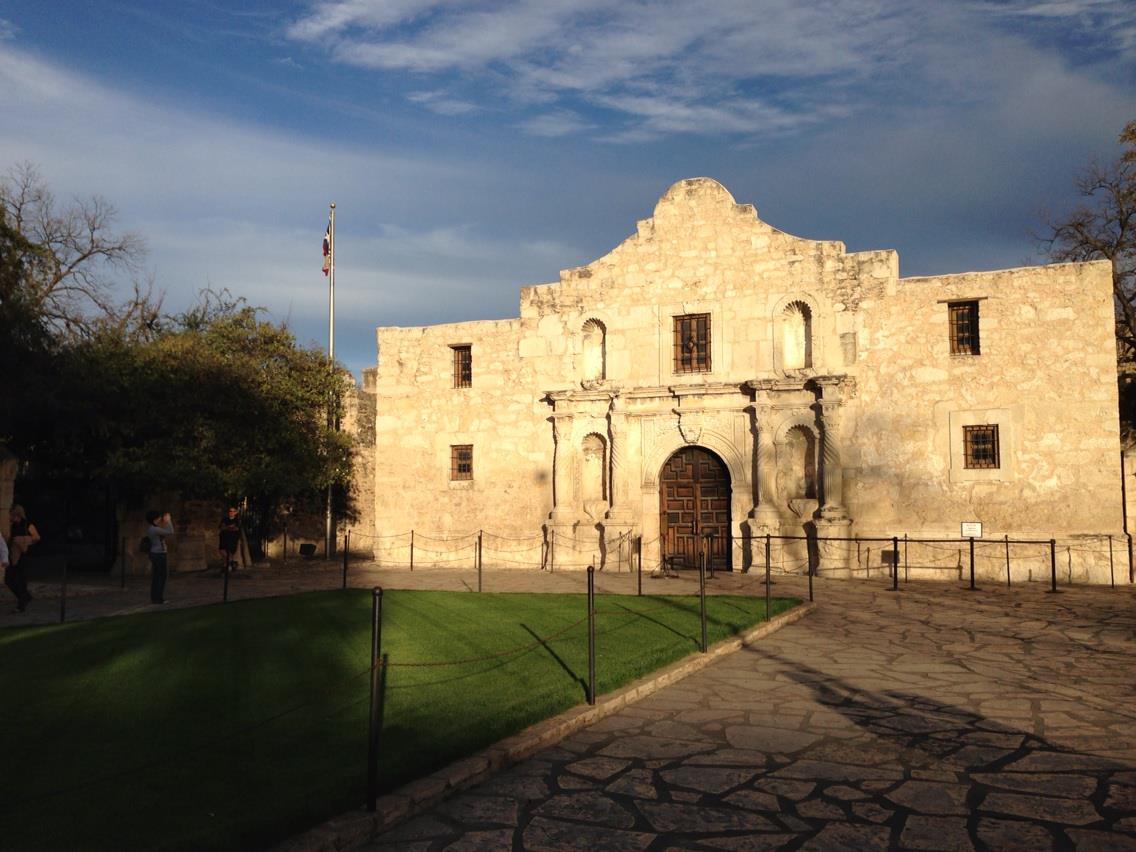
After a week in amazing San Antonio Texas presenting and attending TMEA I came back ready to get through our last week before February break. I tried a few new things this wonderfully hectic week which included learning composition and performance of rhythms and melodies. I focused on 2nd and 3rd grade for the following below with each ending off with an ‘A ha!’ moment for my amazing kiddos!

QComposer (2nd grade):

Materials:

  •    QComposer up on the projector
  •    Whiteboard and Markers
  •    Xylophones and mallets
  •    Recording device

Process:

  •    Our precursor to this is learning the rules of what makes a good melody. We review them and write them on the board.
  •    We choose a starting note and I then go around the circle giving the students the option of going “up or down” to the next line or space. We use only quarter notes and always start and stop on the same note.
  •    We listen to it and using whiteboard markers we label the letter of the notes together.
  •    We clap to the beat and say each letter name.
  •    Our last step is to practice each measure on the xylophones and put it all together. The students were so proud to play their own work!
  •    If it sounds great and the students are focused I would head to the recording device you have and get it recorded! The teachers love to hear what their students are working on!

IMG_0087

QBackbeat (3rd grade):

Materials:

  •    QBackBeat up on the projector
  •    Whiteboard and Markers
  •    Rhythm sticks and a rug

Process:

  •  This was another activity as my students explored what percussion is all about.
  •  First, all you will need in QBackbeat is lines 1 and 3 (I called them the red and green beats)
  • Together I asked students what they thought a slow steady beat would look like on the red line. We ended up filling every other space until it filled the screen.
  • Next we practiced the beat using our voices with the word “Boom” acting like a bass drum and practiced saying “Boom” together as a class.
  • Next we added a green beat and I did this on my own as students watched because we are still working on eighth notes. I created the eighth beats in QBackbeat by clicking each box twice. The students wanted to say this beat as slow “Ticka Ticka” so we practiced saying this all together.
  • Next we divided the class in half, half said the red line beat and half said the green line beat before we switched parts.
  • Passing out the rhythm sticks I had them all sit in a horseshoe shape around the rug and we practiced each line saying and playing as one of my students pointed on the board.
  • Then we divided up the class again and each played the red and green lines together and after switched parts.
  •  I began playing the two lines at once as the class listened intently. After a minute one of my ‘chair drummers’ shouted out, “Hey! That’s a rock beat on the drum set!” I nodded my head with a grin and mouthed ‘try it’. They were so pumped I listened to the sweet sound of floor drumming for a good 10 minutes. All they needed was QBackbeat as a visual!

IMG_0089

These lessons were used both this week to great success and grabbed student’s attention right before break!

Day 3 is Done and the iPads Won

iPad Apps to check out:

 -Explain Everything

-Percussive

-Morphwiz

-Touchband Pro

-Sound Pixels

-Vid Rhythm


Amy’s iPad app Pinterest Page: http://pinterest.com/awillisburns/apps-i-use-in-my-prek-grade-3-music-class/


Richard’s iPad Pinterest Page: http://pinterest.com/ramccready/


  Traveling back home so early is hard, you don’t want to leave the excitement and the fun behind but know there’s a life waiting for you to come back to. As I leave Texas I carry with me a refreshed mind, a boost of self esteem and a bucketload of new resources and theories to think about and try. It’s been one of the best conferences I’ve been too, I felt like one of the cool kids hanging out with the TI:ME big wigs and hearing those who gave me shoutouts in their sessions as well as getting positive feedback on the sessions I did solo and with Amy. I felt like I’ve connected with long lost friends meeting some longtime Twitter friends, and it was great to see the Quaver crew face to face again, if you haven’t checked out their booth be sure to do so in the East exhibit hall before 2pm today!


Off to catch the last flight home. Safe Travels home everyone.

856357_848632656637_62715227_o

TI:ME/TMEA Day 2, Tweets, Resources, and a Moral of the Story! Oh My!

Quotable Tweets:

“The Loudness Wars” loudness and distortion becomes standard because that is the norm in today’s culture #time13


“If you mute the drums and effects, the music should be able to stand on it’s own.” @MusicEdTech


“Your mother is the compressor” #time13


Mixing is a lifetime study @MusicEdTech


#time13 “I believe the best way for kids to learn how music works is to create their own.”


“Students are more interested in experiencing music allied with a visual spectacle”


Dave Sebald: music curricula will broaden to accommodate new types of music making


“Individuality, Innovation, Critical Thinking”


New Resources to Check out: 

Musicfirst.com- If you have not check these guys out yet, it is a must before the conference is over. They are in the east exhibitor area! Jim Frankel is amazing for putting this together. Right off the bat I was amazed and could totally tell it was a tool I’ll be looking into for the future.

Dave Sebald- Our keynote speaker for TI:ME this year. He was funny and great to listen to!

Teaching Music Through Composition- Barb Freedman’s new book put out by Oxford Press. She’s signing autographs tomorrow 2-3 at their booth in the east exhibit hall. I bought my copy!

Music in Motion- I LOVE their booth, so many pretty colors and I walked out with some cute new puppet friends!

musicplay.ca- Denise Gagne’s website, I’m trying to add more to my classroom music repetoire and this site is perfect!


They say a conference is about attending sessions, its about sitting in a big room listening to a speaker talk about all they know about the subject. One could never imagine you could learn more from *gasp* sitting with someone and having a conversation! In the end it’s all about the connections you make at a conference because,  you might walk out of a session learning only one new thing but a one on one conversation with someone you look up to and have the utmost respect for can give you a whole new perspective on the theory behind what we do and how we do it. It all starts off with breaking that robotic tendency to go to session after session, go to the important ones and not just because they are there. Start spending time in the exhibit hall researching new resources and taking time with the exhibitors. Sometimes, you have to get through the spiel before you get excited about a product sometimes. The other great way to spend your time while taking a breath in between sessions is just to sit down with somebody you look up to and respect and have a conversation. I think I learned more about the essence of creativity by talking about it then I ever would have listening to a clinician. I know I’m at that point where resources and meaningful conversations are top of the ladder for me.


       Day 2, another day of fun and learning in the books. It’s been really fun finally meeting some online friends I had never met in person! It’s such a different vibe this year for me too. Last year I was the quiet one sitting in the corner tweeting and just wishing I could shake hands with Barb or Amy or Richard or Joe and now I’m hanging out with them? woah this is cool! Last day tomorrow, time to make it awesome!

 photo-3